


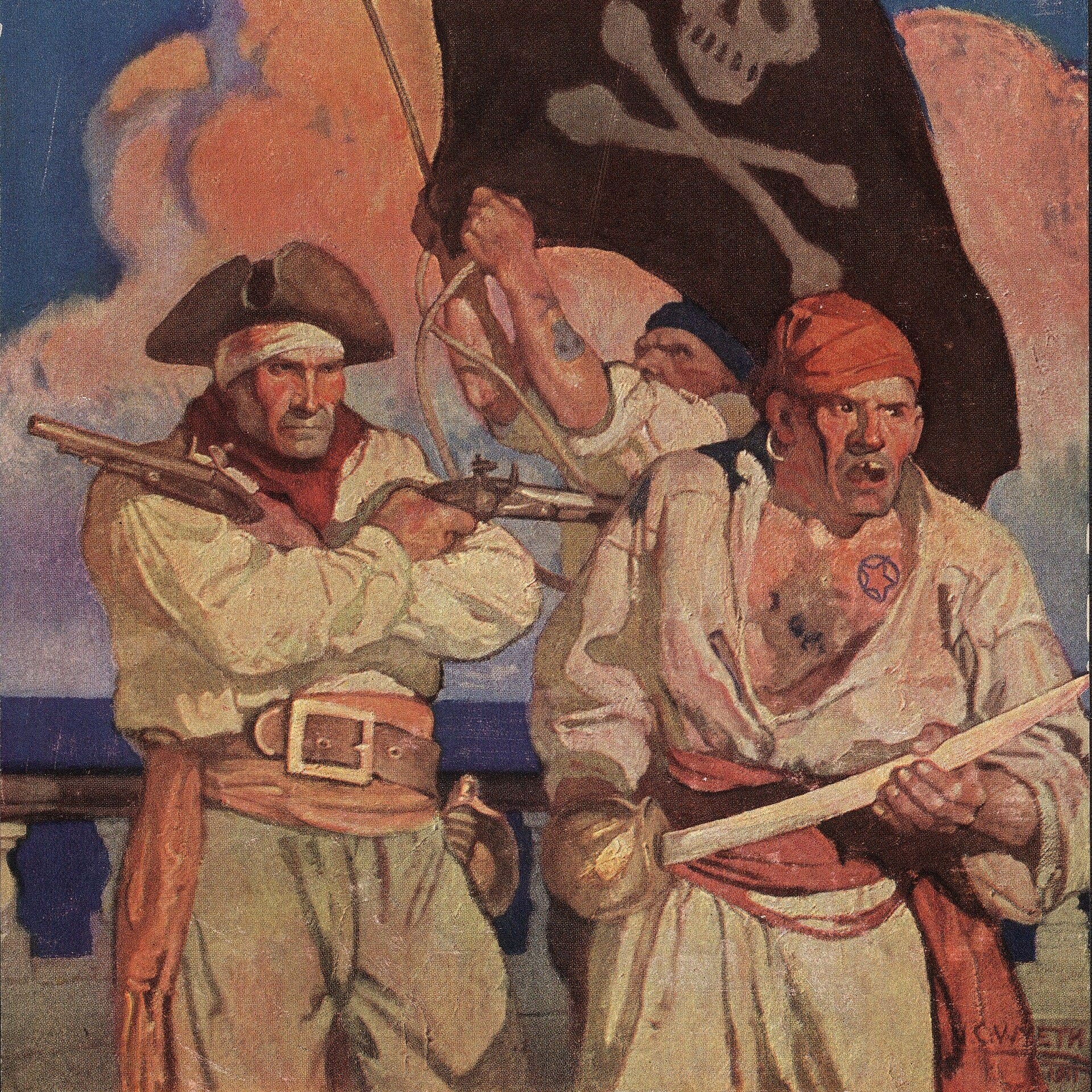
You can transform a child’s mind.
Great children’s literature invites the child’s mind to expand and mature into a healthy imagination—one ready to navigate the story of life.
As screens can destroy a child’s mind, so too can good books build it up.
It is an act of love to read to a child—and to habituate a child to the love of reading.
So, to help you, here are 60 classic adventure stories for children.
Reminder: this publication is 100% reader-supported. We are only able to continue writing it thanks to the members who support our mission.
If you find these articles valuable, then please do consider subscribing for a few dollars per month — it helps us out enormously. You’ll get:
New, full-length articles every Tuesday and Friday
The entire archive of members-only articles and essays
Access to our paid subscriber chat room and community
What should parents know?
Reading aloud to your children is one of the BEST things you can do for their imagination and their overall education. The vocabulary, syntax, narratives, etc. stretch their imaginations and introduce them to whole new worlds. You typically read to them 1-2 levels above wherever they are in their own reading. It would be difficult to overexaggerate the benefits of reading good literature to your children.
The older books are especially important. Yes, they are classics for a reason and tend to express well the perennial themes on what it means to be human—but also the older texts tend to have wider vocabularies and more complex syntaxes that stretch a young mind differently than modern texts. Many modern texts are a race to the bottom, simplifying grammar and plots for a generation addicted to screens and instant gratification. Putting the screens away and cultivating a family that reads together is a tremendous act of love.
Lastly, there is a spiritual undertone to habituating your child to good literature. Good stories till the mind for the Gospel. The Christian story is one that requires a healthy imagination—one that is accustomed to introspection and a narrative that has layers (literal, allegorical, moral, and anagogical). To wit, Christians understand that good literature prepares the intellect for the literature of life—the story of mankind and God. It opens young imaginations to moral dramas, consequences, sacrifice, redemption, and the higher beauties of life—and this is not just so-called “Christian children’s literature,” like The Chronicles of Narnia, but all good children’s literature that truly capture the human drama.
These books are good for all ages—but if you have children (or grandchildren) they are a treasure trove.
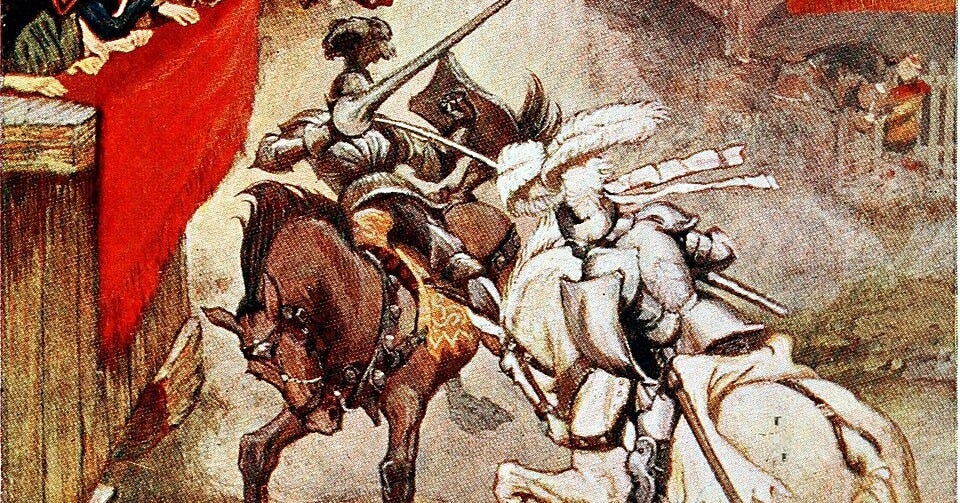
Adventure Books for Kids (Ages 8–12)
1. Treasure Island by Robert Louis Stevenson (1883) — A young boy discovers a treasure map and joins a voyage filled with pirates, mutiny, and buried gold in this swashbuckling pirate classic.
2. 20,000 Leagues Under the Sea by Jules Verne (1870) — Professor Aronnax and companions embark on an underwater journey aboard the submarine Nautilus, encountering sea monsters and mysterious Captain Nemo.
3. The Wind in the Willows by Kenneth Grahame (1908) — Animal friends Mole, Rat, Toad, and Badger have whimsical riverside adventures involving daring escapes, wild escapades, and homecoming.
4. Journey to the Center of the Earth by Jules Verne (1864) — A professor, his nephew, and a guide descend into a volcano to explore hidden worlds, prehistoric creatures, and underground seas at Earth’s core.
5. The Story of King Arthur and His Knights by Howard Pyle (1903) — Young Arthur pulls the sword from the stone and leads knights on quests of chivalry, battles, and the search for the Holy Grail - and Pyle adds explicit moral lessons from the narratives.
6. Around the World in Eighty Days by Jules Verne (1873) — Phileas Fogg races against time and obstacles across continents by train, ship, and elephant to win a daring global wager.
7. The Hobbit by J.R.R. Tolkien (1937) — Bilbo Baggins leaves his cozy home for a quest with dwarves and Gandalf to reclaim treasure from a dragon in a fantastical Middle-earth, the famous prelude to The Lord of the Rings.
8. Robinson Crusoe by Daniel Defoe (1719) — Shipwrecked on a deserted island, Crusoe survives years alone, building shelter, taming animals, and eventually finding companionship.
9. The Call of the Wild by Jack London (1903) — Domestic dog Buck is stolen and thrust into the harsh Yukon wilderness, where he learns survival instincts and joins a sled team—can often be the first introduction to a more brutal narrative.
10. The Hardy Boys Series (starting with The Tower Treasure) by Franklin W. Dixon (1927 onward) — Teen brothers Frank and Joe solve mysteries, chase criminals, and uncover secrets in thrilling detective adventures.
11. A Princess of Mars (first in the Martian Tales/Barsoom series) by Edgar Rice Burroughs (1917) — John Carter is transported to Mars, where he battles aliens, rescues a princess, and becomes a heroic warrior in a pulp sci-fi world.
12. Ivanhoe by Sir Walter Scott (1819) — Disinherited knight Wilfred of Ivanhoe fights in tournaments, rescues captives, and battles injustice in medieval England.
13. The Adventures of Tom Sawyer by Mark Twain (1876) — Mischievous Tom gets into scrapes, witnesses a crime, hunts for treasure, and has river adventures with friend Huck Finn.
14. White Fang by Jack London (1906) — A wild wolf-dog navigates the brutal Yukon frontier, facing hardship before finding loyalty and domestication, the follow up companion to The Call of the Wild (but not necessarily a sequel).
15. The Red Badge of Courage by Stephen Crane (1895) — Young soldier Henry Fleming faces fear, battles, and personal growth during the American Civil War.
16. The Chronicles of Narnia (starting with The Lion, the Witch and the Wardrobe) by C.S. Lewis (1950 onward) — Children discover a magical wardrobe leading to Narnia, where they battle evil, ally with talking animals, and fulfill prophecies—one of the best narratives to introduce a child’s imagination to allegory.
17. The Lord of the Rings (starting with The Fellowship of the Ring) by J.R.R. Tolkien (1954–1955) — Hobbits, elves, dwarves, and men join forces to destroy a powerful ring and defeat dark forces in an epic fantasy quest.
18. Hatchet by Gary Paulsen (1987) — Stranded alone in the Canadian wilderness after a plane crash, boy Brian uses a hatchet to survive, build shelter, and find inner strength.
19. The Merry Adventures of Robin Hood by Howard Pyle (1883) — Outlaw Robin Hood and his band rob the rich, aid the poor, and engage in archery contests and forest skirmishes in Sherwood—a charming story with lots of fraternity.

20. Mr. Midshipman Hornblower (first in the Horatio Hornblower series) by C.S. Forester (1950; series originated 1937) — Young naval officer Horatio rises through ranks with daring sea battles, cunning strategy, and leadership during the Napoleonic Wars.
21. My Side of the Mountain by Jean Craighead George (1959) — Teen Sam runs away to live off the land in the Catskill Mountains, taming a falcon and learning wilderness survival skills—and check out the sequel, On the Far Side of the Mountain.
22. The Railway Children by E. Nesbit (1906) — It’s a beloved Edwardian-era story full of wholesome adventure, family bonds, train-related mysteries, heroism in helping others, and gentle excitement.
23. King Arthur and His Knights of the Round Table by Roger Lancelyn Green (1953) — Retells the legends of Arthur’s court, Excalibur, Merlin, and knights’ quests for honor and the Grail.
24. Captains Courageous by Rudyard Kipling (1897) — Spoiled rich boy Harvey is rescued by fishermen and learns hard work, humility, and seamanship aboard a Grand Banks schooner.
25. The Black Stallion by Walter Farley (1941) — Shipwrecked boy Alec bonds with a wild black horse on a deserted island, then trains him to become a champion racer.
26. King Solomon’s Mines by H. Rider Haggard (1885) — Adventurers seek legendary diamond mines in Africa, facing dangers, lost tribes, and ancient treasures.
27. Tarzan of the Apes (first in the Tarzan series) by Edgar Rice Burroughs (1912) — Orphaned boy raised by apes becomes lord of the jungle, mastering survival and encountering civilization.
28. Redwall (first in the Redwall series) by Brian Jacques (1986) — Peaceful abbey animals defend against evil rat hordes in epic battles of bravery and friendship.
29. The Adventures of Sherlock Holmes by Arthur Conan Doyle (1892; collection) — Master detective Sherlock Holmes solves baffling mysteries with logic, observation, and daring pursuits.
30. A Wonder-Book for Girls and Boys (includes Greek myths) by Nathaniel Hawthorne (1851) — Retells thrilling Greek myths like Perseus, Hercules, and Pandora with heroic quests and mythical creatures.
31. The Jungle Book by Rudyard Kipling (1894) — Mowgli, raised by wolves, faces jungle dangers, learns survival from animals, and confronts the tiger Shere Khan.
32. The Swiss Family Robinson by Johann David Wyss (1812) — Shipwrecked family builds a treehouse life on a tropical island, taming animals and crafting inventions.
33. Aladdin and Other Tales from The Arabian Nights (traditional; various editions, e.g., Andrew Lang ~1898) — Clever Aladdin uses a magic lamp and ring for riches, adventures, and battles against evil sorcerers.
34. The Blue Fairy Book (or similar Fairy Tales collections) by Andrew Lang (1889) — Collection of enchanting fairy tales featuring quests, magic, princes, and heroic triumphs over villains.
35. The Log of a Cowboy by Andy Adams (1903) — Real-life cattle drive from Texas to Montana filled with trail hardships, stampedes, and cowboy camaraderie.
36. The Nancy Drew Series (starting with The Secret of the Old Clock) by Carolyn Keene (1930 onward) — Clever teen detective Nancy solves mysteries, uncovers clues, and foils criminals with bravery and wit.
37. Anne of Green Gables (first in the series) by L.M. Montgomery (1908) — Imaginative orphan Anne finds adventure, friendship, and mishaps while growing up on Prince Edward Island.
38. Where the Red Fern Grows by Wilson Rawls (1961) — Boy trains two coonhounds for hunting in the Ozarks, facing trials, loyalty, and heartbreaking lessons of love and loss.
39. Charlie and the Chocolate Factory by Roald Dahl (1964) — Poor boy Charlie wins a golden ticket to tour Willy Wonka’s magical factory full of wonders, inventions, and quirky challenges.
40. The Phantom Tollbooth by Norton Juster (1961) — Bored Milo drives through a tollbooth into fantastical lands of wordplay, numbers, and quests to rescue princesses Rhyme and Reason.
41. The Wonderful Wizard of Oz by L. Frank Baum (1900) — Dorothy is whisked to Oz by a tornado, joining friends on a yellow-brick road quest to meet the Wizard and find home.
42. Peter Pan by J.M. Barrie (1911) — Eternal boy Peter takes Wendy and siblings to Neverland for pirate battles, fairy adventures, and flying escapades.
43. The Secret Garden by Frances Hodgson Burnett (1911) — Lonely Mary discovers a hidden garden and helps heal herself and others through exploration, friendship, and nature’s magic.
44. The Adventures of Huckleberry Finn by Mark Twain (1884) — Huck and runaway Jim raft down the Mississippi, evading danger while facing moral dilemmas and freedom quests.
45. Alice’s Adventures in Wonderland by Lewis Carroll (1865) — Curious Alice falls down a rabbit hole into a nonsensical world of mad tea parties, trials, and bizarre encounters.
46. The Princess and the Goblin by George MacDonald (1872) — Brave Princess Irene outwits underground goblins with courage, a magic thread, and help from a mysterious miner boy.
47. The Story of Doctor Dolittle by Hugh Lofting (1920) — Kind doctor learns animal languages and voyages to Africa for rescues, cures, and exotic animal adventures.
48. Swallows and Amazons by Arthur Ransome (1930) — Siblings sail, camp, and play at being explorers and pirates on English lakes in wholesome outdoor fun.
49. Kidnapped by Robert Louis Stevenson (1886) — Young David Balfour is kidnapped and shipwrecked, embarking on a perilous journey across Scotland with a Jacobite rebel for justice and inheritance.
50. Dinotopia (first in the series) by James Gurney (1992) — Shipwrecked explorers discover a hidden island where humans and dinosaurs coexist in harmony, filled with illustrated quests and utopian adventures.
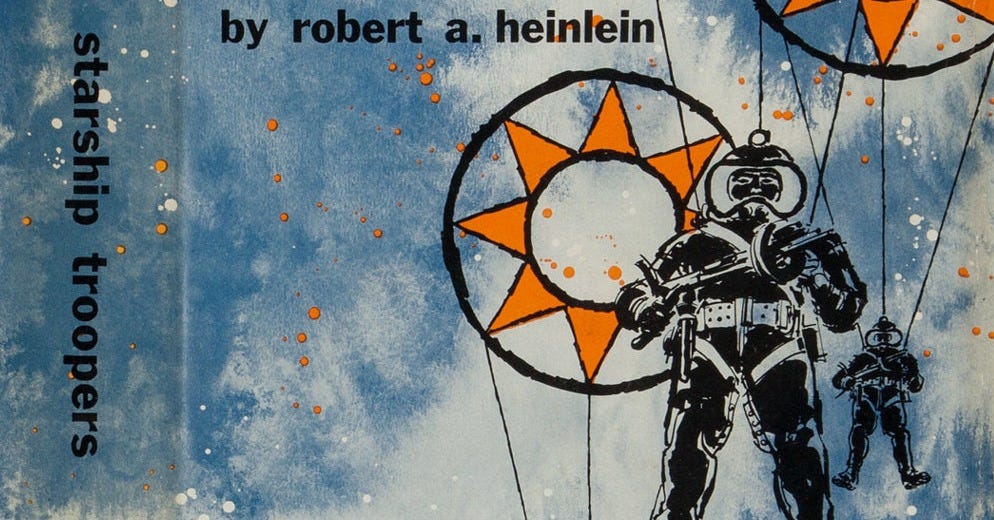
Books for Ages 12 and Up
These texts tend to contain more mature themes, complex plots, or general intensity.
51. The Once and Future King by T.H. White (1958; compiled edition) — Witty retelling of Arthur’s life from boyhood to kingship, blending magic, war, and philosophical quests.
52. The Space Trilogy (starting with Out of the Silent Planet) by C.S. Lewis (1938–1945) — Philosopher travels to Mars and beyond, facing cosmic evils and moral battles in thoughtful sci-fi.
53. A Connecticut Yankee in King Arthur’s Court by Mark Twain (1889) — Modern man time-travels to Camelot, using technology to challenge medieval ways in satirical adventures.
54. The Count of Monte Cristo by Alexandre Dumas (1844–1846 serialized; 1846 book) — Wrongly imprisoned man escapes, amasses fortune, and exacts elaborate revenge with cunning and daring.
55. Moby-Dick by Herman Melville (1851) — Obsessed Captain Ahab leads a whaling ship on a relentless hunt for the white whale across vast oceans—arguably the American classic and filled with layers and meaning.
56. Starship Troopers by Robert A. Heinlein (1959) — Soldier Johnny Rico fights alien bugs in intense interstellar war, exploring duty, citizenship, and combat. As an aside, Heinlein has many sci-fi novels but many are not suitable for minors.
57. The Martian Tales (full Barsoom series, continuing from A Princess of Mars) by Edgar Rice Burroughs (1917 onward) — Earthman John Carter battles on Mars with swordplay, rescues, and heroic planetary exploits.
58. The Three Musketeers by Alexandre Dumas (1844) — D’Artagnan joins Athos, Porthos, and Aramis in swordfights, court intrigue, and loyal quests in 17th-century France.
59. Conan the Barbarian Stories by Robert E. Howard (1932 onward) — Barbarian warrior Conan roams ancient lands, battling sorcerers, monsters, and kings in gritty sword-and-sorcery tales. Howard brought more philosophy to these tales than is generally realized and wrote many other adventure stories with other heroes, like Solomon Kane and Kull.
60. Louis L’Amour Westerns (starting with Hondo) by Louis L’Amour (1953 onward) — Rugged frontiersmen face gunfights, outlaws, and harsh landscapes in classic tales of the American West’s survival and honor.
What is missing?
What adventure story is missing? What would you recommend? These stories are fun for all ages, but if you have children, spend time reading these stories aloud with them! It is one of the best things you can do for them.
Dcn. Harrison Garlick is a deacon, husband, father, Chancellor, and attorney. He lives in rural Oklahoma with his wife and five children. He is also the host of Ascend: The Great Books Podcast. Follow him on X at Dcn. Garlick or Ascend.
The “Little House on the Prarie” series. I read them multiple times in middle school.
Charlotte’s Web and Island of the Blue Dolphins.